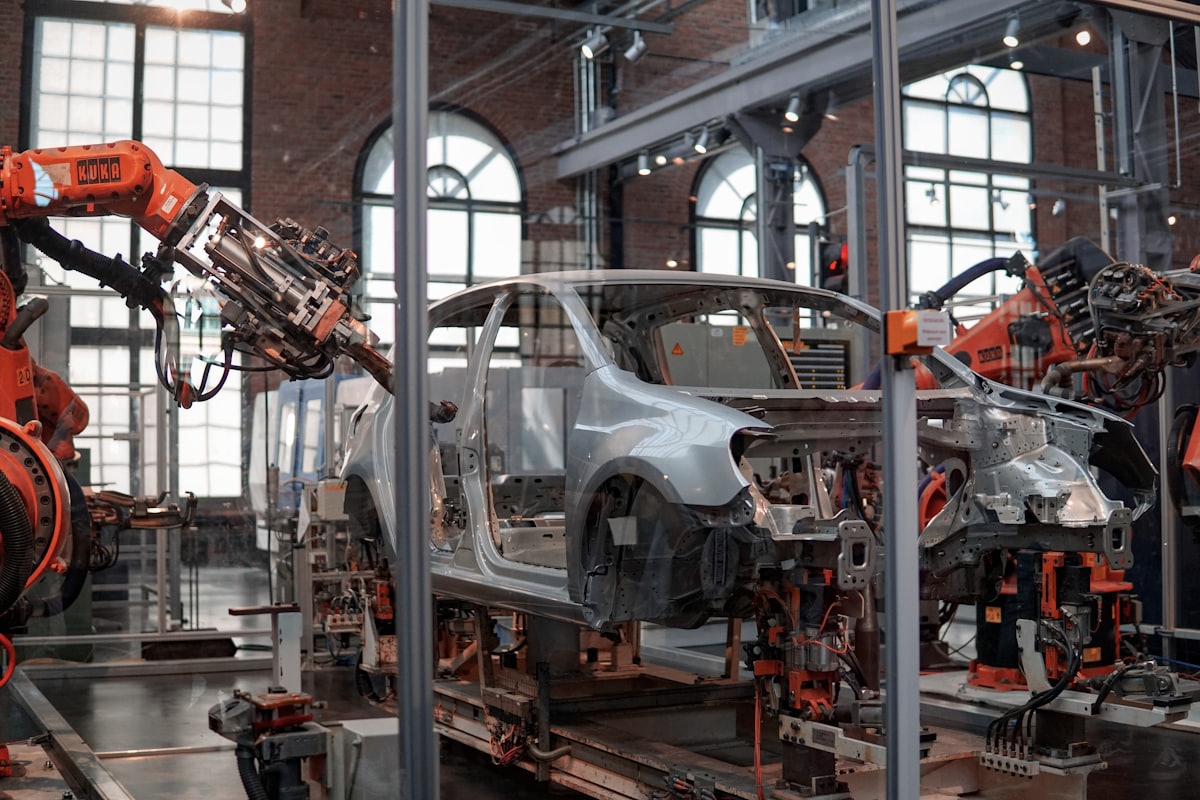
Design automation is revolutionizing the mechanical engineering industry, transforming how we approach complex design challenges and streamlining workflows to unprecedented levels of efficiency. What began as simple macros has evolved into sophisticated systems that can handle complex decision-making and optimization.
At Mazi Inc., we've witnessed firsthand how automation can reduce design time by up to 70% for repetitive tasks while improving accuracy and consistency across projects. This article explores the current state of design automation and where we see this technology heading in the coming years.
The Evolution of CAD Automation
From simple macros to sophisticated parametric modeling systems, design automation has come a long way. Today's tools allow engineers to create intelligent templates that adapt to changing requirements, significantly reducing manual redesign efforts.
The journey of CAD automation can be broken down into three key phases:
Phase 1: Basic Automation (1990s-2000s)
- Simple macros and scripts
- Custom commands and shortcuts
- Template-based drawing creation
- Limited parametric capabilities
Phase 2: Parametric Systems (2000s-2010s)
- Advanced parametric modeling
- Design tables and configurations
- Rule-based design systems
- Integrated simulation and analysis
Phase 3: Intelligent Automation (2010s-Present)
- AI-assisted design suggestions
- Generative design algorithms
- Cloud-based collaboration
- Real-time design validation
Benefits for Engineering Firms
The implementation of design automation brings numerous advantages to engineering organizations of all sizes:
Increased Efficiency
Automation can reduce design time by up to 70% for repetitive tasks. For example, creating standard components, generating bills of materials, and producing manufacturing drawings can be largely automated, freeing engineers to focus on creative problem-solving.
Improved Accuracy
Automated systems eliminate human error in repetitive tasks. Design rules and validation checks ensure that outputs meet specified standards and requirements consistently across all projects.
Enhanced Consistency
Automation ensures that all designs follow the same standards and best practices. This is particularly valuable for organizations with multiple design teams working on related projects.
Faster Response to Changes
When design requirements change, automated systems can propagate these changes throughout the entire design, updating all related components and documentation automatically.
Implementing Automation at Mazi Inc.
At Mazi Inc., we've developed custom iLogic rules and SolidWorks macros that automate common design tasks, from generating standard components to performing routine calculations. This allows our engineers to focus on creative problem-solving rather than repetitive manual work.
Our Automation Toolkit
- Custom iLogic Rules: Automated design validation and configuration management
- SolidWorks Macros: Streamlined modeling operations and drawing creation
- Template Libraries: Pre-configured design templates for common components
- Design Calculators: Automated engineering calculations and sizing tools
- Documentation Generators: Automatic creation of manufacturing documentation
Real-World Results
One of our manufacturing clients recently benefited from our automation approach. We developed a custom automated design system for their product line that:
- Reduced design time from 2 weeks to 2 days
- Eliminated 95% of manual drawing errors
- Enabled rapid customization for client-specific requirements
- Improved consistency across all product variants
The Future: AI and Generative Design
As we look to the future, we're exploring AI-assisted design and generative algorithms that can propose optimal solutions based on specified constraints and performance requirements.
AI-Assisted Design
Machine learning algorithms can analyze existing designs and suggest improvements or identify potential issues before they become problems. This technology is particularly valuable for complex systems where human designers might miss subtle interactions between components.
Generative Design
Generative design takes automation to the next level by creating multiple design alternatives that meet specified requirements. The system explores thousands of possible configurations and presents the most promising options for human review.
Cloud-Based Collaboration
The future of design automation lies in cloud-based systems that enable real-time collaboration and data sharing across distributed teams. This approach allows for seamless integration of automation tools across the entire product development lifecycle.
Getting Started with Design Automation
If you're considering implementing design automation in your organization, here are some practical steps to get started:
- Identify Repetitive Tasks: Start by documenting the most time-consuming repetitive tasks in your design process.
- Prioritize by Impact: Focus on tasks that have the greatest potential for time savings and error reduction.
- Start Small: Begin with simple macros and gradually build more complex automation systems.
- Train Your Team: Ensure your design team understands how to use and maintain automation tools.
- Measure Results: Track the impact of automation on project timelines and quality metrics.
Conclusion
Design automation is no longer a luxury but a necessity for competitive engineering firms. The technology has matured to the point where even small to medium-sized organizations can benefit from significant efficiency gains and quality improvements.
At Mazi Inc., we're committed to staying at the forefront of design automation technology. By combining our engineering expertise with advanced automation tools, we deliver better results for our clients in less time.
The future of mechanical design is automated, intelligent, and collaborative. Companies that embrace these technologies today will be well-positioned to lead their industries tomorrow.
About the Author
Uche Ajuonuma is a Certified SolidWorks Professional and Senior Mechanical Design Engineer with over a decade of experience in mechanical design and engineering automation. As the founder of Mazi Inc., he specializes in developing innovative design solutions and automation tools for industrial clients.
Related Articles
SolidWorks Best Practices
Essential techniques for professional CAD design
Read More →Industry 4.0 in Mechanical Design
Embracing smart manufacturing principles
Read More →