Conveyor system in a distribution facility

Manufacturing · Case Study

Conveyor System Optimization

A material handling system redesign focused on one goal: fewer stops for maintenance, and smoother flow when it's running.

0%Maintenance downtime reduction

About the project

A line that kept stopping for the wrong reasons.

The client's conveyor system was reliable in principle but kept losing time to maintenance stops — jams at transfer points, bearings that were hard to reach, and a layout that made routine service take longer than it should. The redesign brief wasn't a full replacement; it was to fix what was actually causing the downtime.

Mazi Inc. audited the existing layout against its maintenance log, then redesigned the sections responsible for the majority of stoppages — transfer geometry, access points, and drive placement.
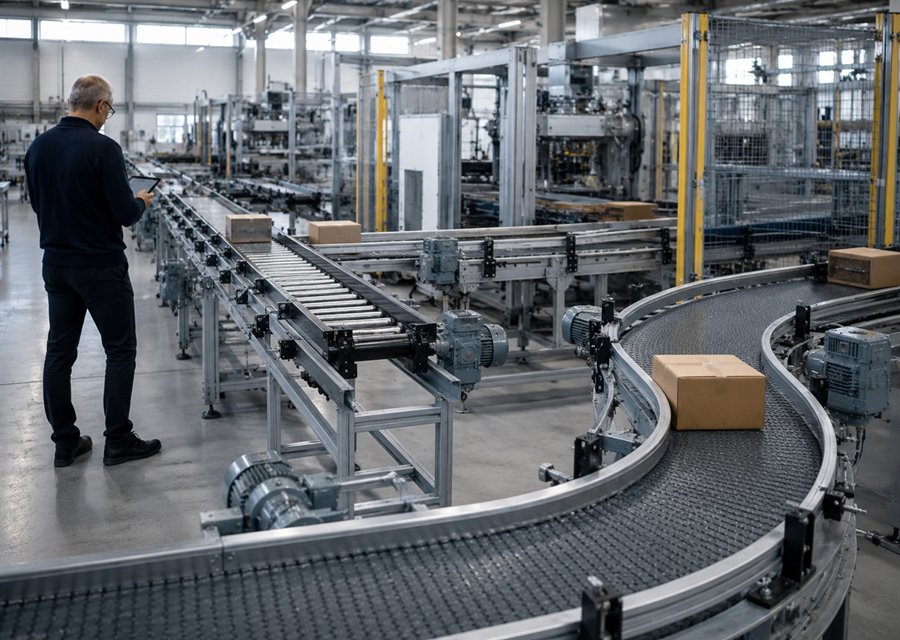
Conveyor transfer point after redesign

Our approach

Philosophy & methodology

Philosophy

Material handling problems are usually maintainability problems in disguise. Rather than proposing a wholesale redesign, we let the client's own downtime log point us to the sections actually worth touching, and left the parts of the system that were already working alone.

Methodology

We started with a maintenance-log audit to rank stoppage causes by frequency and duration, then modeled transfer points and drive layout changes against the top contributors. Each change was checked against technician access — a fix that improves flow but makes a bearing harder to reach isn't a fix, it's a trade.

What worked

Successes

  • Redesigned transfer points cut the jam frequency that was driving most unplanned stops.
  • Repositioned drive units gave technicians clear access without partial disassembly.
  • Material flow smoothed out enough that the client removed a manual clearing station entirely.

What we navigated

Challenges

  • The line couldn't go fully offline, so changes had to be sequenced around production windows.
  • Some existing structural supports limited where drive units could realistically move.
  • The maintenance log itself needed cleanup before it was reliable enough to rank causes by.
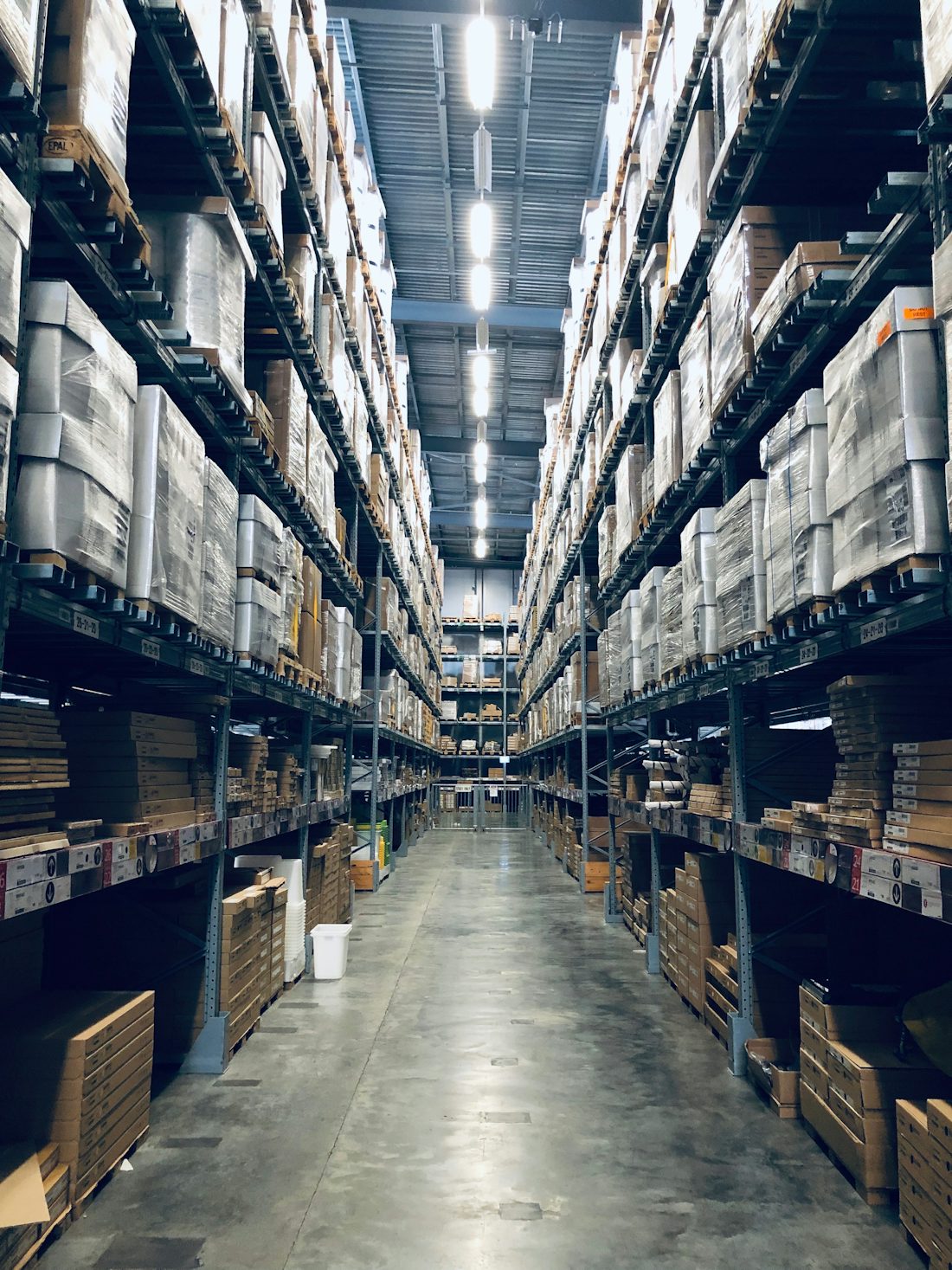
Material handling aisle in a distribution facility
Downtime records, not a site walkthrough, decided where to intervene

Looking back

Lessons learned

The maintenance log turned out to be more valuable than any fresh site walkthrough — it told us where time was actually being lost, not where it looked like it might be. We now ask for downtime records before proposing any material handling redesign, even an informal one, because it consistently redirects scope toward the changes that actually move the numbers.

Why Mazi Inc.

Why Mazi Inc. for material handling

Data-led scoping

We use your own maintenance and downtime records to target the redesign, not guesswork.

Maintainability built in

Every change is checked against real technician access, not just flow on paper.

Minimal-disruption changes

We target the sections actually causing downtime, sequenced around your production schedule.

Losing time to a material handling system?

Send your downtime log or a description of where it keeps stopping. We'll help find what's actually worth fixing.